Thai-English-Speaking Integrative Psychotherapist in Bangkok
Miles Poola-or, MA, MBACP
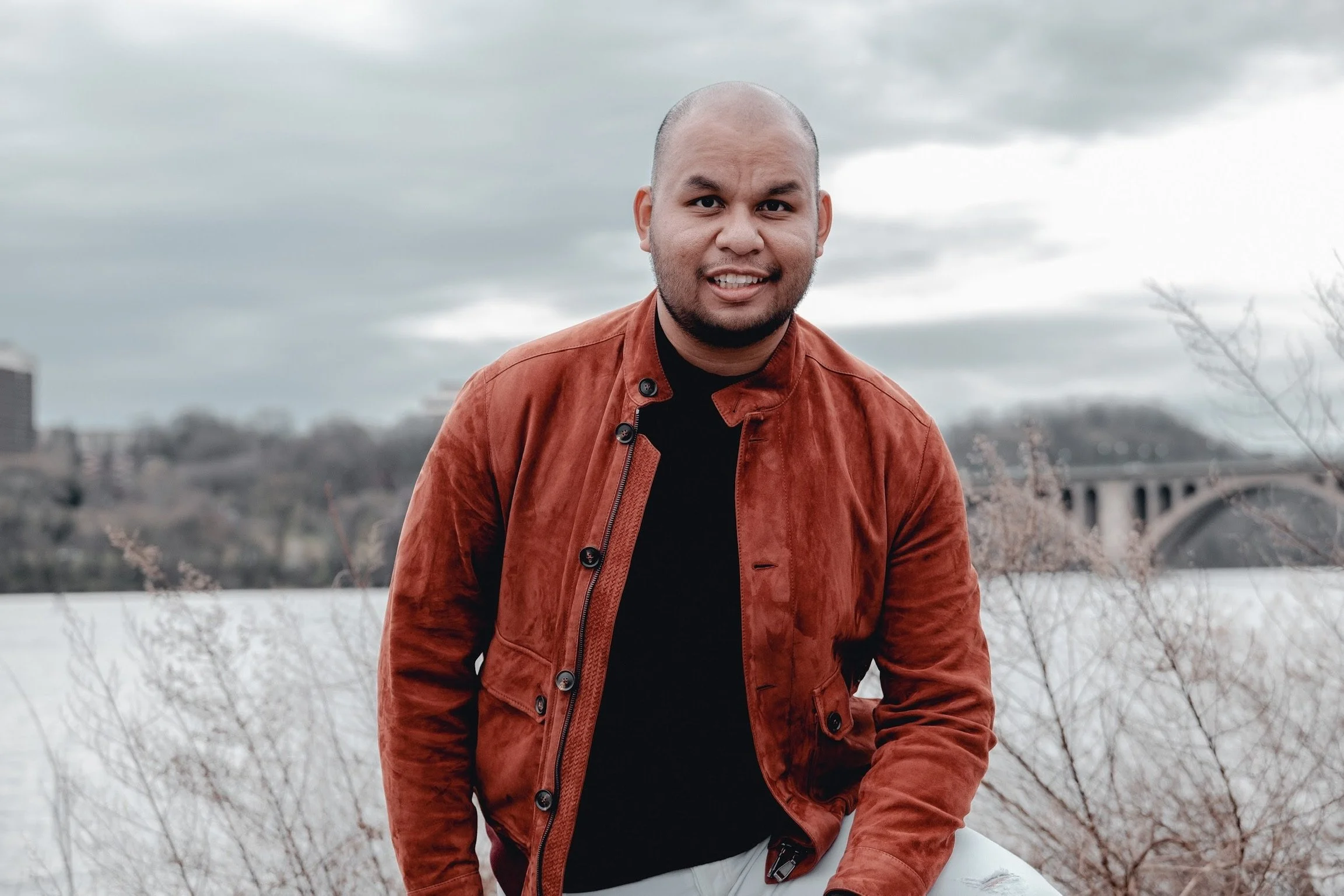
Hi, I'm Miles.
I'm a bilingual (Thai-English) trauma-informed psychotherapist, and I hold an MA in Clinical Mental Health Counselling with a concentration in Marriage, Family, and Relationship Therapy. I'm a Registered Member of the British Association for Counselling and Psychotherapy (MBACP), bound by its Code of Ethics and Conduct.
“To love ourselves and support each other in the process of becoming real is perhaps the greatest single act of daring greatly.”
My path here wasn't a straight line. Before I ever sat across from a client, I trained as a teacher and linguist, earning an MA in Applied Linguistics from Teachers College, Columbia University, and spending time in the classroom. Along the way I kept encountering people who felt lost navigating language, culture, and displacement, unable to find anyone who truly understood the weight of it, and that is what first pointed me toward counselling.
Since then, I've spent over five years and more than 3,000 hours in direct clinical practice across community mental health, university counselling, private practice, and charity settings in the US and UK. I began at the Victim Service Centre of Central Florida, providing long-term trauma-informed counselling to survivors of sexual assault and violent crime, and designing and co-facilitating a therapy group on trauma and intersectionality within the BIPOC and LGBTQIA+ community. From there I moved to New York for individual and couples work, then to London, where for three years I worked as a Suicide Prevention Therapist at James' Place, a charity working exclusively with men in suicidal crisis, alongside equine-assisted psychotherapy at Operation Centaur with clients in recovery from addiction.
I've since moved back home to Thailand, where I now practice. As a gay, Thai immigrant who has lived and worked across Thailand, the US, and the UK, I bring that lived cross-cultural experience into the room alongside my clinical training. Coming home has meant thinking hard about what needs to shift for this work to actually land here: how to build the language for internal emotional experience with clients where it isn't always readily there, and how to hold space for family, hierarchy, and cultural context in a way that feels genuinely relevant rather than borrowed wholesale from elsewhere.
My approach is integrative rather than one-size-fits-all. I'm rooted in person-centred and psychodynamic theory, and I draw flexibly on EMDR, Internal Family Systems, Acceptance and Commitment Therapy, and Gottman Method tools, among others, depending on what's most useful for the person in front of me. A typical session usually starts with simply checking in: where you are that day, what's shifted since we last spoke. From there we follow whatever thread feels most alive, whether that's processing a specific memory, working through a difficult belief, or just sitting with a feeling.
If any of this resonates with where you are, please get in touch here. I offer free 15 minutes initial consultation. This is an amazing opportunity for us to see if we’re a good fit! You can find more information regarding the type of service I offer and fees here. Additional information on therapy and how I work can be found on FAQs.

“Your visions will become clear only when you can look into your own heart. Who looks outside, dreams; who looks inside, awakes.”
-
Long-term, trauma-informed work with survivors of sexual assault, violent crime, and other traumatic experiences, including dissociation.
-
Three years' specialist experience working exclusively with men in suicidal crisis, including crisis intervention, risk assessment, and collaborative safety planning.
-
Particular focus on the cultural and gender-norm pressures that shape how men process and express emotion, using a more directive, solution-focused style where it helps.
-
Support for identity, community, and the specific pressures of navigating intersectionality between BIPOC/BAME and LGBTQIA+ identities.
-
Exploring race, culture, sexuality, gender, and the intersections between them, especially where identity is shaped by living across more than one culture.
-
Support for acculturation stress, bicultural identity, and the particular strain of building a life between cultures.
-
Couples and individuals navigating two different relational and cultural frameworks within one relationship, as well as non-traditional relationship structures (e.g. ethical non-monogamy, polyamory).
-
Working with the lasting effects of early boarding school experience, including difficulty with vulnerability, self-reliance, and emotional disconnection.
-
Support through major life changes, including relocation, career shifts, relationship changes, and other periods of significant uncertainty.
-
Experience designing and running therapy groups from scratch, and a particular interest in developing group and educational resources for men, expats, and cross-cultural couples.
Experience & Area of Focus
What I Bring Into the Room
I don't believe a counsellor should hide behind a role. I try to show up as my genuine self in every session, mistakes and all, and I think that honesty is part of what makes the relationship safe enough for you to do the same.
Authenticity, always
No judgement, no agenda for who you should be
My starting point is unconditional positive regard: you're worth working with exactly as you are, not as some improved future version of yourself. Growth comes easier once you feel fully seen and accepted first.
You're the expert in your own life
I think of therapy as collaborative. You bring the pieces of the puzzle, and my job is to help create the right conditions and ask the right questions, not to hand you a solution. My aim is always to help you build your own capacity, not dependence on me.
People and their histories are too complex for a single method to fit everyone. I draw flexibly from psychodynamic, person-centred, Internal Family Systems, EMDR, ACT, and mindfulness-based approaches, matched to what's actually useful for you, session by session.
No one-size-fits-all
Rooted partly in the Buddhist idea of the middle path, I'm less interested in pushing you toward a fixed "right way to be" and more interested in helping you find your own workable balance, between past and present, thought and feeling, self and family, tradition and change.
Balance over extremes
Context matters, especially family and culture
I rarely look at a struggle in isolation. Family dynamics, cultural background, and the systems you move through (school, work, immigration, community) all shape what you're carrying, and I try to hold all of that alongside you rather than treating you as a problem to individually fix.